
Blog

CTC Tea

CTC Tea

Today’s topic about CTC tea which is the short form of Cut, Tear and Curl.  First we will look in to the manufacturing process of CTC Tea. This process has withering, cutting drying and sorting as the processing step of it. In withering process leaf will undergo a light wither (leaving about 72 – 68 percent moisture in the leaf). This is very important in going to the cutting step. If the wither is too hard it will make the difficult in the operation of the cutting machine. During the withering process it is very important to keep the temperature of leaf close to the ambient. In wet weather conditions it is important to use hot air heater to obtain the wither up to the desired level.

Then these withered leaf will pass through No. 4 mesh to eliminate the impurities like sand or stones. Then leaves will move to the CTC machine. This machine is normally consisting with three to four contra rotating cylindrical rollers. First roller is act as a conveyor to the faster second roller which is enable the cutting and leaves sharp edges of small particles. The action of tearing is facilitating by the helical grooves in this machine. In this process sap of the tea leaf comes out and loss the that part.

Then comes the fermentation process as usual. Thickness of the dhools should be 25 – 35 mm in thickness. Because of the higher moisture level that result by the light withering process lumps can be form during the fermentation process. So it is important to break lumps prior to charge the dryer in drying process.

In the drying process, if it is a ECP dryer it will take 21 minutes for the entire drying process normally. At the outlet end dark brownish colour tea particles will be resulted. Because of the loss of sap considerable amount of polyphenol which is responsible for the dark black colour. In the sorting process there are a few grades in CTC tea since particle size varied in a broad range. Small size dust type particles are there in CTC teas.

When it comes to the characteristics of CTC teas it is a bit different from other orthodox teas. In physical appearance of particles, they are tiny and a bit brownish in colour than the other orthodox black teas. Considering the liquor, it is light in colour than the other black tea types. Even with these differences there is a considerable market demand for CTC tea.
Tea and the Ancient Culture of Sri Lanka

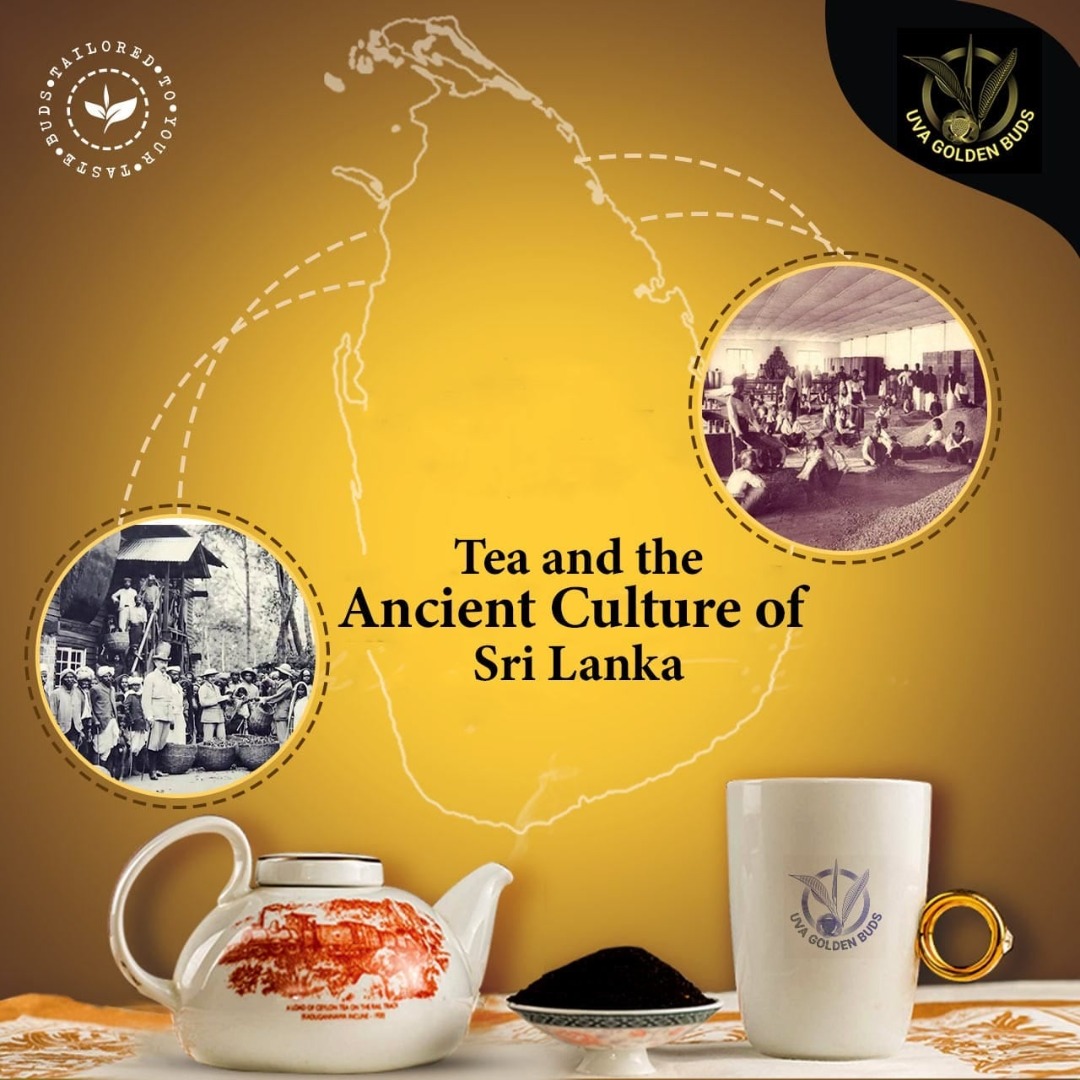
Tea and the Ancient Culture of Sri Lanka

Tea was introduced to Sri Lanka in early 1800s in colonial era. Beginning of the commercial plantation created a different culture related to the plantations. Labours for these plantations were brought from South India and they were provided accommodations there.

When these Indian labour force build up their life here in the plantations, a separate culture is created with them. They were started to build shrines for their religious beliefs. Hinduism was widely spread around these estate areas as well in the nearby village areas too. Natives were also started to follow and visit the shrines. Along with these Hindu beliefs their cultural festival celebrations also came into the picture. Those festivals became the cultural function of the Sri Lankan culture.

Next one is their language. South Indian Tamil language became the one of Sri Lankan language with some minor modifications. Some words from native Sinhala language were mixed with Tamil language as it is same for the Sinhala language. Some food habits were also added to the native Sri Lankan culture with this Plantation culture. Native South Indian foods like Chapathi, Idli, Thosa, Wade and many more became the favourites of native Sinhalese people too.

The other thing is dress code of Indian people. It was also popularised among the natives. Saree and the Wetti is most common form of dress codes popular among them. Indian Jewelleries and accessories also added to the native culture with these plantations labour force. Traditional Indian dancing and dramas also another segment that came from the Indian people in Plantations.

Another thing is the frequent tea drinking habit of Sri Lankan people. With the plantation sector tea was became a regular good among Sri Lankan people. Small tea boutiques were very popularised among the villagers. Chatting and gossiping in the tea boutiques in the evening after the tired day was a relaxing activity for the villagers. In family gatherings and evening chats in households were corporate with a tea and a refreshment. Even without the sweeteners people tend to drink the tea whenever they are working in the fields. So tea became an important part of the Sri Lankans daily life style.

Not only among the villagers but also the rich people in the society take tea as a part of their life style. They have arranged high society tea parties as a gathering of their own members and those parties were arranged according to the European traditions. This was the improved and honourable version of chatty tea boutiques in villages. This has become a lengthy and interesting article even without discussing all the facts. Please keep visiting our blog for more interesting articles like this.


Packing process of tea

Packing process of tea

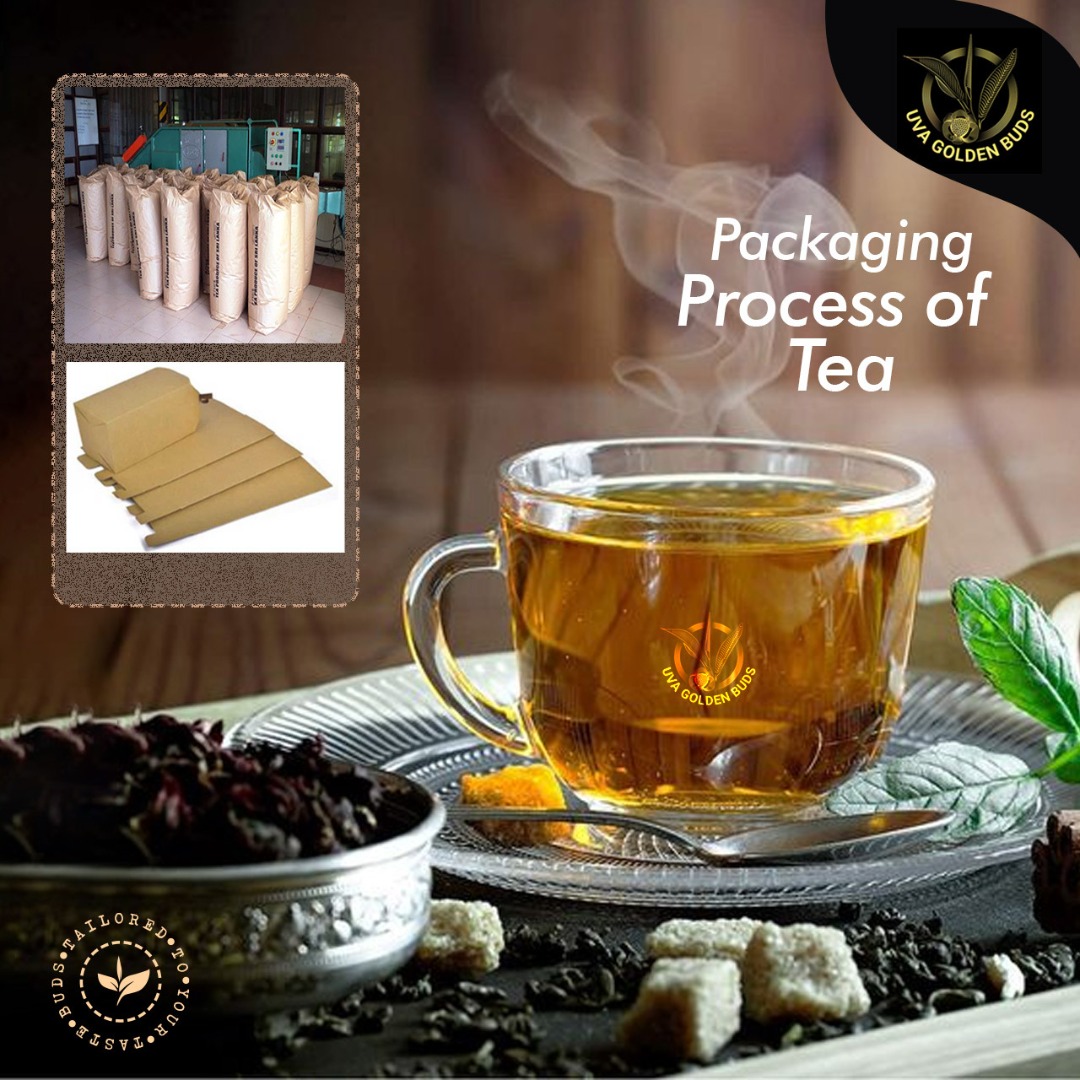
Packaging is an important step of the processing of any kind of a food and beverage. Since they are consumed by the living beings, it is very important to pack them safe and minimum quality retardation. Packaging is a critical point in tea processing due to the hygroscopic nature of tea. if the packaging process is not conducted properly it will affect to the shelf life.

After the grading process of dried tea, they will undergo the bulk packaging process. In bulk packaging layered paper or cardboard bags. The volume of these bags will depend on the quantity of the consignment. These bags contain moisture resistant metallic layer inside and this paper layer or cardboard layer outside the bag. After the filling process bags will sealed tightly and store in a dry warehouse environment.

After these bulk tea packs are sold out thy will undergo various processes like flavouring and blending. After those secondary manufacturing processes, these teas will be repacked. There are several kinds of packaging methods in secondary manufacturing. Let us look into one by one.

Metal canisters are very popular method of packaging in secondary manufacturing. Various shapes and designs are there in the market. Light weighted metals are used in these canister making process. These canisters are popular among consumers since they are reusable. Next comes the tea bags made by the polyester materials. These small tea bags are packed collectively in sealed polythene or cardboard packages in air tight manner. Other one is wooden containers. This was used in ancient bulk packaging in the world tea trade initially. Processes wooden materials that removed their odour and other unwanted qualities are used in packaging purpose of the dried tea.

In addition, plastic and glass containers also used in the secondary packaging purpose. Plastic bottles with airtight lids and other type designed containers are also used. Even it is not very popular glass containers with tight fittings are also used in tea packaging based on the byers requirements. Almost all these procedures are mechanized and there are various types of modern machineries used in this packaging process. 

Use of the automated packaging will minimize the manual handling of tea which can lead to contaminations and moisture absorption. This will cause to enhance the shelf life and reining of its original qualities. Since it is very important to maintain the quality of the higher market value selecting a proper packaging process and material for tea is very important.


Sinhala and Hindu New Year with Tea

Sinhala and Hindu New Year with Tea

Sinhala and Hindu New Year is a main cultural festival in Sri Lanka. It is the celebration of the beginning of the year of sun. According to the astrology, they believe sun is travelling to the Pisces to Aries starting the astrological new year. Sinhala and Hindu people celebrate this new year with their traditions and special cultural events.

With this basic knowledge let us move to our topic. Tea plays a major role in Sri Lankan economy as well in the regular life of Sri Lankans. They start their day with hot cup of tea and end up the busy day with evening tea. Tea has a much influence on their daily life and individual economy as well. First and most important factor of the tea and new year is their income. Most of the areas of the country has small scale tea farmers who earn the income from tea. their new year depend on that income. The other category is labour force in the large scale estates and small scale tea cultivations. They also celebrate the new year with the income from the tea.

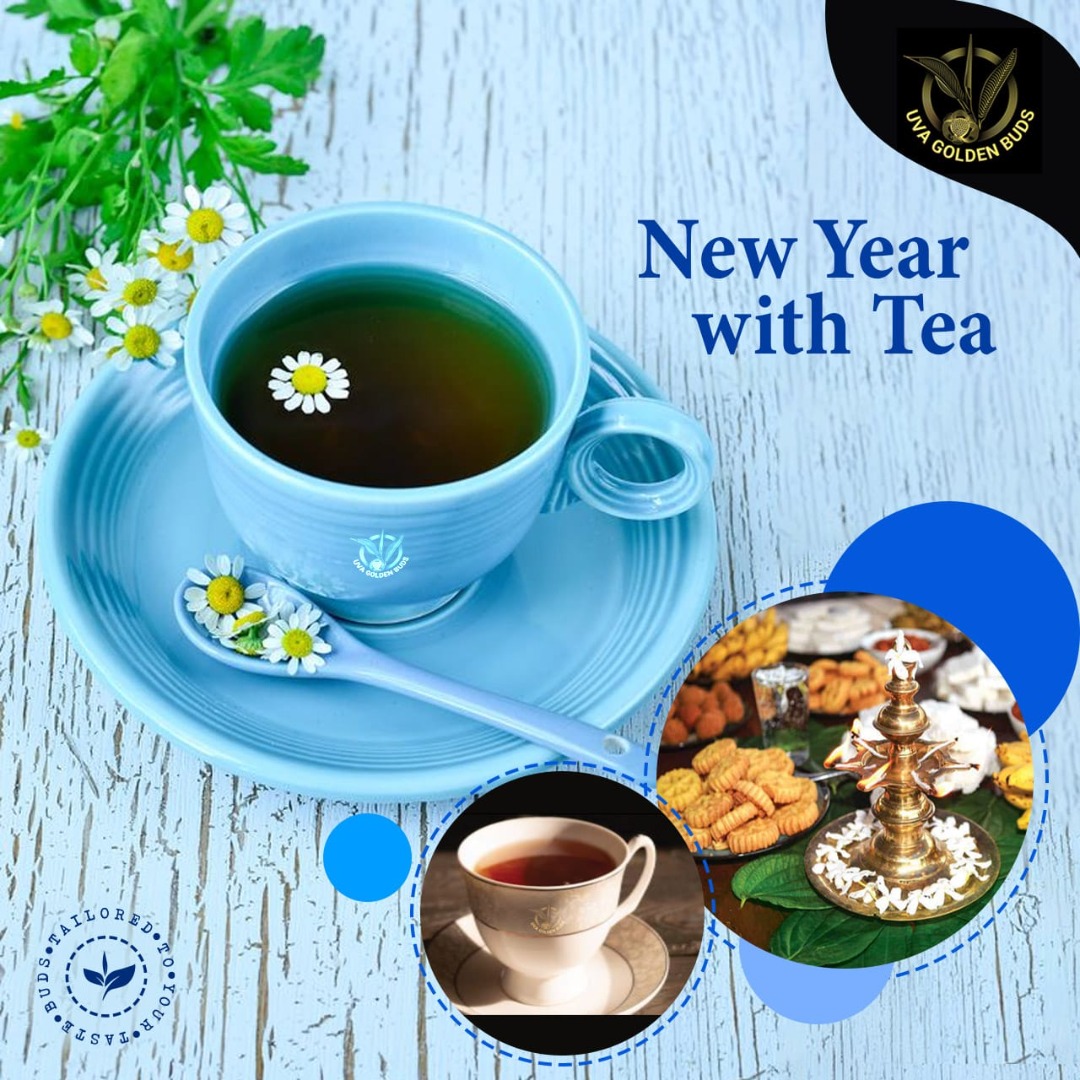
Next is the culture related to the tea. People always tend to treat the visitors with cup of tea. When it comes to the cultural festival like Sinhala and Hindu New Year traditional refreshments also included in the menu with tea. During the Sinhala and Hindu New Year people prepare many traditional refreshments like oil cake, kokis, aluwa, welithalapa, wade and murukku etc. These traditional refreshments are served with a cup of tea. So tea is always plays a major role in this cultural event. Sometimes even in the traditional events like ‘Awurudu uthsawa’ where they conduct traditional new year games, there are games related to the tea. 

In Sinhala and Hindu New Year festival tea act as the major partner throughout the festival. To experience this marvelous traditional festival visit Sri Lanka or experience our tea on your own. Finally, wish you all a Happy and Prosperous Sinhala and Hindu New Year. Enjoy the new year with tea.