Blog

Common Sweeteners used with tea
Common Sweeteners used with tea

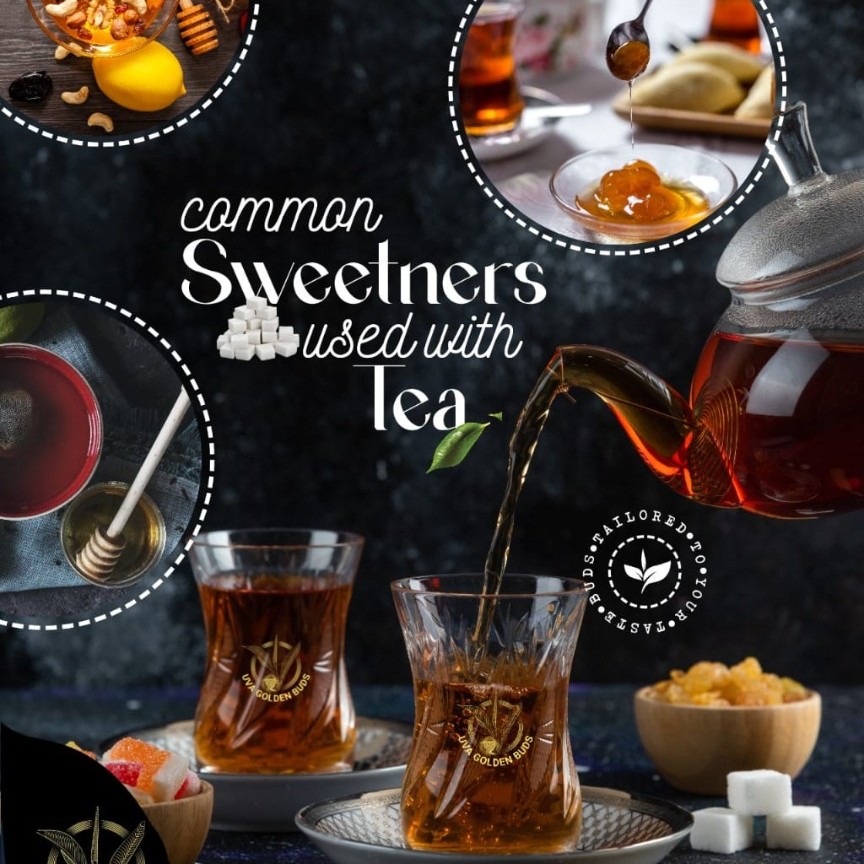
As a world popular drink, tea is served in different forms according to the consumer’s choice. Adding some sweeteners to the tea is very common and popular method among the tea users. People who do not want to feel the bitterness of the tea would like to add a sweetener with their tea. This story is about the common sweeteners that we can use with our tea.

Sugar is the most popular and very common sweetener that is used with tea all over the world. Both refine sugar and brown sugar is added to the tea as the taste of the tea drinker. Most of the times sugar is paired with the hot black tea than the other tea types. Also in iced tea, there is an added portion of sugar most of the times. But addition of sugar cannot be recommended for people who are suffering from diseases like diabetic. It might be affected to their health condition negatively.

Next popular and healthy sweetener is honey. Honey is considered as a healthy ingredient with antibiotic properties as well. Honey can use as a sweetener with tea. it can be used with black tea, green tea and herbal teas as well. Many people believe that using honey with herbal tea as a sweetener will improve the health benefits of herbal tea. 

Vanilla also use as a sweetener with tea. Since vanilla is a naturally derived ingredient involving minimum of processing it is considered as a better sweetener with tea. Not only vanilla added a sweetness but also it adds a pleasant aroma to the tea. Vanilla is very much matched with milk tea and spicy chai most of the times.

Spices like cinnamon sugar can also be used as the sweeteners to the tea. Unique aroma of the cinnamon will be an added advantage when you use this sweetener with your tea. masala chai with milk is very much matched with the cinnamon sugar. Maple syrup is another option for you if like sweeteners in your tea. it is said to have a warmer sweetness with spiced tea. Stevia is a low calorie sweetener derived from the leaves of Stevia rebaudiana plant. When you preferred low calorie or fat burning tea still with a sweet taste, stevia is a good option for you. Because of its low calorie property, it is often used with green tea.

Fresh fruits can also be added as sweetener to your tea. It will create a cocktail-tea for you to enjoy. Ice tea is very good with fresh fruit as a sweetener. Coconuts sugar is another option for who are preferred sweet tasty tea. Coconut sugar which derives from natural coconut will taste similar as the normal sugar with tea. you can use coconut sugar with black green or herbal teas as your preference. Instead of these naturally derived sweetening agents, varieties of artificial sweeteners also there for you to use with your tea as your choice.

If you are a tea lover who preferred a different experience with tea, do not forget to taste tea with these awesome sweeteners as a new experience.

Fermentation Process of Black Tea Manufacturing

Fermentation Process of Black Tea Manufacturing

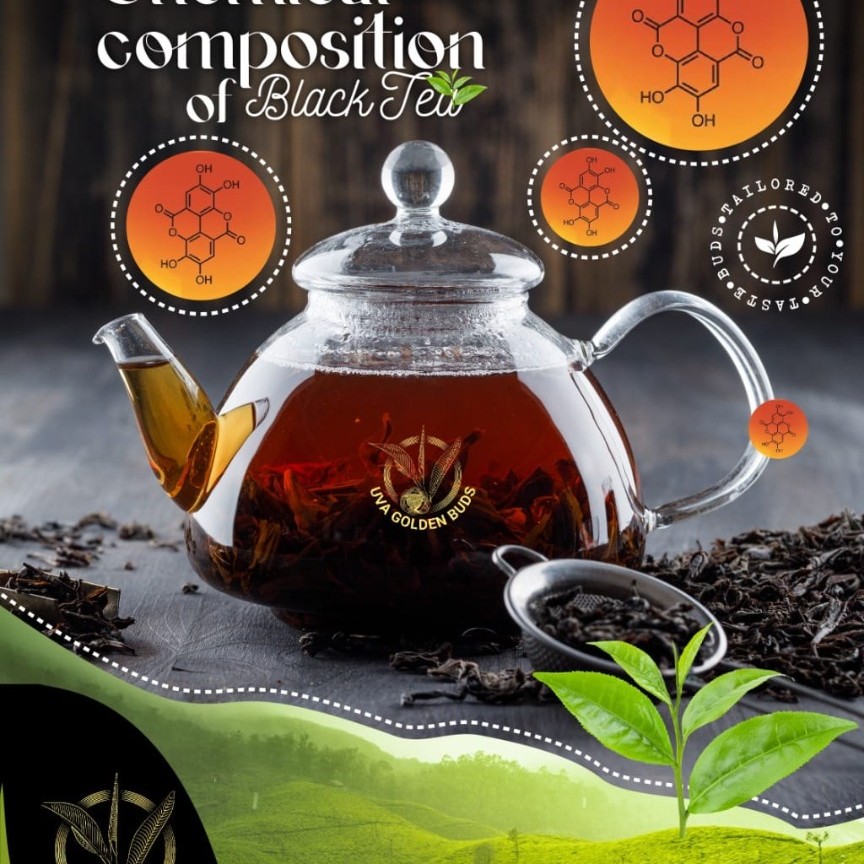
Here comes the next processing step of black tea processing. Fermentation or the oxidation is the step of black tea manufacturing that will responsible for the colour of the black tea. During this oxidation process, rolled dhool is expose to the atmospheric oxygen. This process is started soon after damaging the leaf during the rolling process. Polyphenols in the tea leaf will mix with the poly phenol oxidase enzyme and starts to oxidise.

Derived dhools from the drying process will spread on the fermentation bed with a desired thickness. There are some important parameters to be controlled in this fermentation process. Most important one is the temperature of dhool. Optimum temperature for this reaction is 25 – 30 0C. This range of temperature will facilitate the reaction in controlled level. The next important thing is the thickness of dhool layer. To control the temperature in optimum level, dhool should be spread in 25 – 75 mm in thickness. The other one is the controlled room temperature. Humidifiers can be used in fermentation rooms to control the room temperature by controlling the humidity too. In this process hygrometric difference should be less than 20 C.

When the process continues in correct manner rolled tea leaves change the colour in to coppery appearance. Not only the colour but also the aroma changes too. When fermentation continues in proper manner, dhools will have a pleasant fruity smell itself together with the coppery colour. Total time desired for the fermentation to complete will be calculated starting with the rolling. The time will be differ depending on the different grade according to the particle size. Tender shoots show the best appearance in fermentation than the over mature shoots. After the fermentation process is complete fermented dhools will dry in next step.

Since it desired the appearance and the liquor characteristics of the tea, fermentation is a critical point in tea manufacturing. It takes more experience to control this process in a desirable manner to obtain a best end product. Let us meet with drying process with next article.


Different Packaging Material for Tea

Different Packaging Material for Tea

Tea is consisted with hygroscopic particles which were dried under the controlled conditions. Because of that proper packaging is an important thing to retain the quality of dried tea particles. Today we will take a glance at the different packaging materials using in tea packaging.

Wooden packaging is the most traditional and oldest method of tea packaging. Tea was introduced as a commercial crop in many Asian countries with the colonization. Teas that were manufactured in these countries has been transported to the Europe via sea ways. These time wood was the most available and feasible materials for packaging tea. dried wooden boxes were used to store tea during the transportation. But there were some problems like deteriorations and odor changes. So there come the chemical treatments for woods to overcome these problems well.

Next it comes to the most popular and easy packaging material which is paper. Paper packaging is very popular since it is an easy material to handle and available in different forms. When paper material is introduced it was oriented to incorporate the features that will minimize the moisture absorption into the tea particles. So paper was sealed aluminum foils or increase the thickness to a certain level to overcome the problem. In addition, it is a low cost packaging material compared to other materials. Most of the times papers used to pack teas in bulk form and large quantities.

Metal containers are also used in the packaging process of tea. Aluminum and Tinplate are the most popular and common metals used in tea packaging. In retail process, designed canisters of these metals are mostly used. Metal canisters provides better air tight condition to the tea particles. In the other hand it facilitates the designer to design in many shapes in attractive manner.

Plastic is also used in packaging process of tea. Air tight plastic containers are very popular in retail markets due to many reasons. Light weighted, recyclable and reusable plastic containers are a good selection in one hand. In addition, nylon material and degradable polymers are used in making tea bags.

This is mainly focused on making your attention in packaging raw form of tea. For value added products there will be other materials too.


Healthy Tea Habits

Healthy Tea Habits

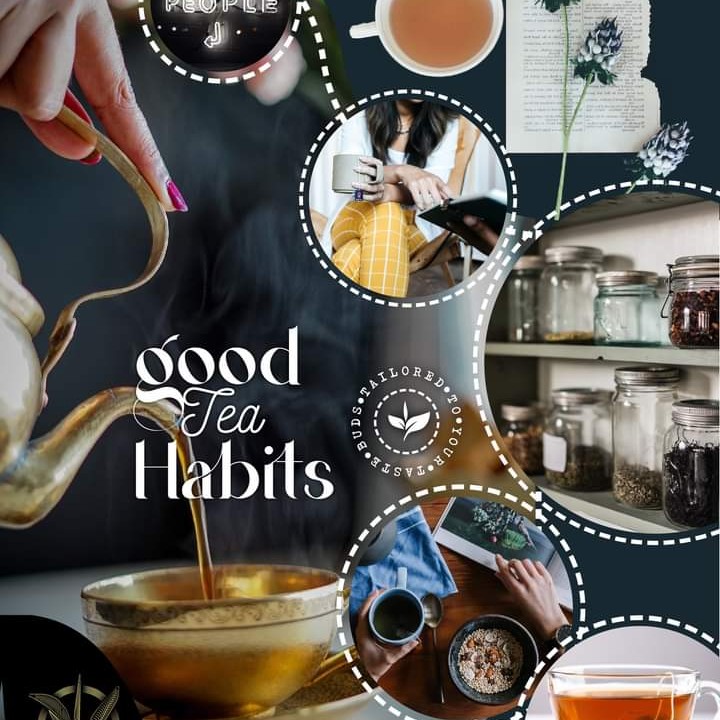
Health is wealth as we all heard. To maintain our health, we have to be conscious about our food habits. So let us learn how to consume tea without interfere the healthy food habits.

First we have to know about the chemical composition of different types of teas. Black tea and Green tea are the most common and popular types among the tea consumers. Major component of the black tea is caffeine and oxidised polyphenols. Green tea also consists with a considerable amount of caffeine and non – oxidised polyphenols. If you are interested in knowing the chemical composition more read our previous blog articles.

Now we will see how to use black tea in healthy manner. As scientist discovered drinking time of black tea is an important factor. You have to avoid drinking black tea just after your meal. Since it has the oxidizing compounds it can slow down the absorption of iron and calcium in your meal. It has been advice to drink black tea two hours after your meal. Next comes the number of cups that you should consume per day. As proven by studies consumption of five to six cups of caffeinated tea per day is healthy. Since excess amount of caffeine can be interrupted to your sleep and balanced of hormones sometimes. Avoiding the addition of sugar and other harmful additives also necessary to obtain the health benefits of black tea.

When it comes to green tea, it is very popular as calorie burner. To obtain this benefit, it is advised to drink green tea an hour before your workout. It will boost your metabolic activities and burn more calories during the workout. Also green tea is known as a sleep aid. If you use it as a sleep aid don’t forget to drink it one hour before going to bed. Always use green tea in advised amounts per cup to avoid bitterness which may cause a discomfort in your mouth which might cause a less appetite. Do not add sugar in green tea if you drink it for its health benefits. It will add more calories to the tea.

If you are herbal tea consumer this health advice is for you. If you use an herbal tea for the first time be conscious about allergies or discomfort in gut. Some herbal ingredient can act on different people in different ways. Hope this small guide make you aware about the use of tea in a healthy manner. Please read our blog frequently for this type of interesting articles.


Processing of Lemon Grass Tea

Processing of Lemon Grass Tea

Lemon grass is a grass variety which use to produce herbal tea. There are different varieties of lemon grass. Asian or the Indian variety (Cymbopogon citrus) of lemon grass is commonly used for making lemon grass tea. When it comes to the cultivation of lemon grass, it prefferes loam to laterite soils with well drainage conditions.

For the preparation of lemon grass tea, first it need to harvest young lemon grass leaves. Young leaves are reach in aroma as well in citrus flavour. Next step is drying of the leaves. This tep is optional if it is preffered to use the leaves in fresh form, this drying step can be ommited. If you willing to keep tea for long time, you can fllow the drying process. In the drying process leves can be cut into small pieces as your preference. A sharp sissor can be use to this process. Then you can put it in the oven for drying at 100 – 140 0F and observe during drying. Afrer leaves are scrumbled you can stop the drying process. The other option is hanging or spreading leaves in a place where you can expose them to sun light.

After drying process you can store them in air tight containers for future use. Now let us see how to prepare or brew a lemmon grass tea properly. You can use fresh or dried pieces of lemon grass as your prefference. But the normally used amount of lemon grass per cup of tea is 1-2 pieces. Then you can pour boilling water into the cup and let it brew for 10-15 minutes. Then you cvan strain it and use with or without sweeteners. If you like to add sweeteners use something healthy as honey.

In addition to the hot version of lemon tea you can prepare an iced lemon tea too. For this process you have to brew the lemon tea as same process. Then you can pour the brew intoa cup or glass that contains ice cubes and let it for several minutes until it cones to the preffered cooling level for you. Then you can consume it with or without sweeteners as your prefference. Explore the taste of lemon grass tea for a different tea taste and experience.


Drying Process of Black Tea

Drying Process of Black Tea

In this article, we will look into the critical step of quality determination of black tea processing. You may think why this drying process is critical. Well, there are some special reasons to consider the drying process as a critical step in black tea manufacturing.

First important one is shelf life of tea. shelf life of tea highly depends on the final moisture content of dried tea particles. This is determined by the drying process. Next one is outer appearance of tea particles. Proper drying will result the ideal black colour and aroma of the tea particles which is important for market value.

Now we will move to the drying process in mechanical method. There are two types of dryers used in tea drying process. They are ECP (Endless Chain Pressure) Dryers and FBD (Fluid Bed Dryer) Dryers. Both dryers will be charged with fermented dhool in inlet doors and adjust the inside condition as its optimum. In ECP dryer ambient inlet air temperature is 88 – 91 0C. In this temperature range optimum residence time is 21 minute. Under this conditions, end product can be obtained as moisture percent around 3 which is optimum in quality tea. Also final product will be in desired blackish appearance and fruity aroma. In fluidized bed dryer optimum conditions are bit differ from ECP dryer. Inlet air temperature for FBC is 127 0 C. Both machines are commonly used in large scale tea production frequently.

The other method is natural drying process. This is mainly used in small scale traditional type tea manufacturing. Most of the time manually rolled leaves will be dried in bamboo tats and racks in well ventilated conditions. Natural air or the sunlight is used in this natural drying process. This process is commonly used in traditional type Asian green tea manufacturing. In addition, specialty tea manufacturing like silvertips, full bud type leafy tea manufacturing.

Even which method is used, final moisture percentage of dried tea should be around 3% as world quality standards. Even this moisture percentage is obtained, that can be changed according to the packaging quality.


Special Characteristics of Ceylon Tea

Special Characteristics of Ceylon Tea

Ceylon tea is popular as a symbol of quality tea all over the world. To gain this popularity there are many more reasons. Special characteristic of Ceylon tea is a main reason for the popularity of Ceylon tea among the tea lovers.

Sri Lanka is an island where bordered to sea. Since it has the effect of sea breeze up to the middle point of the country that effect is there in all the crops including tea. This has an effect on the unique taste of Ceylon tea. Even the country is a small island there is a variation in elevation in tea growing areas. According to the elevation there are three major tea categories in Sri Lanka as High grown, Medium Grown and Low grown tea. As the elevation change, climatic conditions are varied significantly. Temperature, humidity and soil conditions which are having greater effect on unique characteristic of tea is differ according to the elevation.

Since this difference in elevation, characteristic of tea also differ in elevation vice. High grown tea has the light liquor and rich aroma with low bitterness. Low grown tea is the opposite of high grown which is having dark liquor. Medium grown tea shows intermediate characteristics in liquor. Since this differences there is an opportunity of catering different taste as the preference of consumers.

The other interesting point is flavor seasons of Ceylon tea. There are different areas known as flavor seasons within the elevation. This flavor seasons have their own time of the year with a production of unique characteristic tea. there are seven flavor or quality seasons with different sub characteristics within elevation ranges. Some quality seasons have specific chemical compositions of their own. These will result teas with different characteristics. This make Ceylon tea to cater various consumers all over the world.

The other reason is different manufacturing methods including pure orthodox, rotor vane manufacturing and CTC tea manufacturing which result different tea grades with different characteristics. Not only that but also the different tea cultivars with China, Assam and intermediate characteristics also responsible for the special characteristics of Ceylon tea. As a whole, Sri Lanka dose not shows clear cut seasonal differences along the year. Entire country experiences a sunny nature with distributed rainfall in most tea growing areas. This is a blessing for the perennial crop like tea where vegetative parts are being harvested.

Here we have discussed prominent reasons why Ceylon tea becomes unique among the others. Let us discuss further interesting topics in future articles.


Parameters of a Quality Tea

Parameters of a Quality Tea

Quality of a tea is critical in its valuation process. Mainly there are two components to determine the quality of tea. They are particle quality and liquor quality. Collectively, these two components will decide the overall quality of the tea. 

You may think how can we determine the quality by these three parameters? Let us see how can it be related with each other. If the tea is manufactured under optimum recommended conditions these parameters should be in the acceptable ranges. Well practiced professional can determine the quality through this appearance testing.

First we will look in to the quality parameters of tea particles. Outer appearance of the particle is the first most parameter to consider about dry tea particles. This is called as ‘sight’. Colour of the tea particles, size and the content of fibre and impurities will be inspected and taken into the account in this. Next one is called the ‘touch’ or ‘feel’. In this component you have to touch the particles and check the feel of the particles to your hand. Next one is ‘aroma’ it is important to sniff the sample and feel the aroma of the dry particles.

When it comes to the liquor there are also some parameters to determine the quality. First one is the colour of infusion. This can be varied according to the grade and manufacturing method. Next is taste of the liquor while the other one is the aroma of the liquor. Several factors can be effect on this parameter like water quality, brewing time and correct brewing process are main factors effect on the liquor parameters.

To follow tis quality determination process, there should be a professional with several years of experiences in the field. You can try this process with sample of different types of teas which you are tasting and take a rough idea.


Tea Tourism

Tea Tourism

You may have heard of today’s topic. Tea tourism can also be considered as a category of eco – tourism. In tea tourism, it is mainly focused on experiencing the tea culture.

If we examine the tea tourism closely there are three main categories in different areas in tea. they are tea estate related tourism, manufacturing related tourism and eco based tourism with tea traditions. When it comes to the tea estate related tea tourism, tourist can experience the daily routine of the estate and estate culture. You can pluck tea leaves visit all over the estate and enjoy your day in the estate.

In manufacturing related tea tourism, you can experience the entire process of tea manufacturing during your visit. That may be within a day or within couple of days. You can even taste the tea and experience night manufacturing also. The tourist can familiarize in machineries and critical points of the manufacturing process too. In some facilitating agencies they give accommodation in the factory premises.

In the next category there are eco – friendly cottage type accommodation in tea related areas. There you can experience adventures, tea related ceremonies and tasting of tea etc. this type of tea tourism provides the packages including above mentioned categories too. It can be considered as a wholesome package for tourist who loves to experience tea related cultural experience.

Tea growing countries like Sri Lanka, India, China, Kenya and Vietnam are very popular for these kind of tourist experiences. People who love to live in a different kind of a cultural and natural experience, tea tourism is a golden opportunity for you. If you are a tea lover with travelling thirst, don’t miss this kind of experience. It will add colours to your travelling diaries as well in to your tea world experience too.


Sifting and Grading Process of Tea Manufacturing

Sifting and Grading Process of Tea Manufacturing

We have come to another processing step in our article series. What is sifting and grading in tea manufacturing? When it derived the dried tea from the dryer there are tea particles mix with un wanted stalk and other particles. These unwanted articles have to be removed and divide tea in to different grades. This is called sifting and grading.

First these dried tea particles are pass through the stalk extractors to remove the stalks, stalks are the fiber particles which add dull brown colour to the tea. These stalk particles will cause the reduction of market value also. Thera are some machineries specially designed for this stalk extraction process. Middleton bubble tray stalk extractor and fiber mat are most common machineries used in this process. These machines use the static electric attraction to attract the fiber and let the good tea particles to pass through.

Then comes to the grading, Michie and Chota sifters are commonly used to separate the particles based on their size there are different size sew series which let the different size particles to separately pass them and collect them separately as different grades. Then these grades will pass through other machines separately as grade wise.

Next is the colour sorter which is divide the particles based on the colour. It will sepatate brownish fiber and other particles from black colour tea particles. This process will purify tea further. Then comes the winnower which is mainly used to remove the heavy particles like sand or metal particles if they are present as contaminators. In the winnower there is a blowing fan of high velocity which will blow the tea particles far and let the metal and sand particles drop in-situ. After this process clean tea will be packed and marketed safe and sound for consume.


Cosmetic properties of tea

Cosmetic properties of tea

Cosmetic is a topic that goes to very ancient era. As we all know ancient kings and queens used several cosmetics for being beautiful in appearance. Ancient Indian and Egyptian history has many of the evidence in natural herbal cosmetic uses.

No wonder that you may have already know that tea has some cosmetic properties as well. Many parts of the tea plant are used as an ingredient for different types of cosmetics. First we will see what are the reasons behind these cosmetic properties. As proven by the studies tea is having some greater antioxidant properties with the presence of polyphenol in it. These antioxidant properties are very useful in treating skin pigmentations, dark spots and marks. These antioxidants will restore these problems and make the skin clear. Next important property is antimicrobial action. This is very useful in treating the acne conditions of the skin. It will minimize the microbial action cause to the acne conditions and prevent the continuous occurrence of acne. This property is useful in treating the dandruff conditions also.

 Now we will look what kind of parts of tea is used in these cosmetics. Green or fresh tea leaves are the most common part used in cosmetics. Dried tea leaf powder is used with other herbal ingredients as scrubs, cleansers and face packs in raw form. Also this leaf powder id used in hair masks and fairness creams too. Neat one is tea flowers. Its fragrance is used in making the perfumes and deodorants too. Tea seed oil is also used in fairness creams, shampoos and face packs etc.

Both Camellia sinensis and Camellia sasanqua species are used in this cosmetic purpose. Even the used green and black tea infused are used as home remedies for pimple and acnes. As it said green tea bags are used as a remedy for dark circles around the eyes as a quick and simple home remedies. Instead of these you may have your own cosmetic uses of tea for sure. Hope you can add more tips to your knowledge with this article.


Special Tea Grades

Special Tea Grades

If you are a frequent visitor of our blog, you may have an idea about the grading of tea. Grading is done based on the particle size of the dried tea. This grades are differing according to the manufacturing method also.

In addition to the common tea grades there are special category tea grades which are having better market demand and considerably higher prices than normal tea grades. They are called special tea grades. Special tea grades are also derived as normal grades but with special characteristics than the normal grade of the same type.

In the category of broken grades this special type is commonly includes. Grades like BOP (Broken Orange Pekoe) and FBOP (Flowery Broken Orange Pekoe) have extra special categories. They are BOP Extra special and FBOP Extra special. Most of the times these tea includes perfect size of the particles with silvery colour tea particles. Use of very tender and quality raw material is a major factor to produce these type of special grades. These type of special grades are consisting with ideal liquor colour, aroma and taste. Because of that these grades are used in tea blending process.

Another special grade is gun powder in green tea manufacturing. It is a highly demanded one in green tea market. It is very similar to a round shape seed in single particle with greenish colour silvery appearance. Very similar black tea special grade to this gun powder is Pekoe it is like a pepper seed in outer appearance. To manufacture both of these special grades experience in manufacturing is crucial.

 The other special category is wiry grades. These wiry grades need special attention in rolling process. Since they required whole wiry nature particle to be dried to produce this special grade. This process need higher skill in handling rolling process to minimize the breaking of leaf particles. These wiry grades are having light liquor and pleasant aroma as well.

This is a brief description about special tea grades. You can find more interesting details if you are interested in the topic. Please be with us to read more articles like this.